
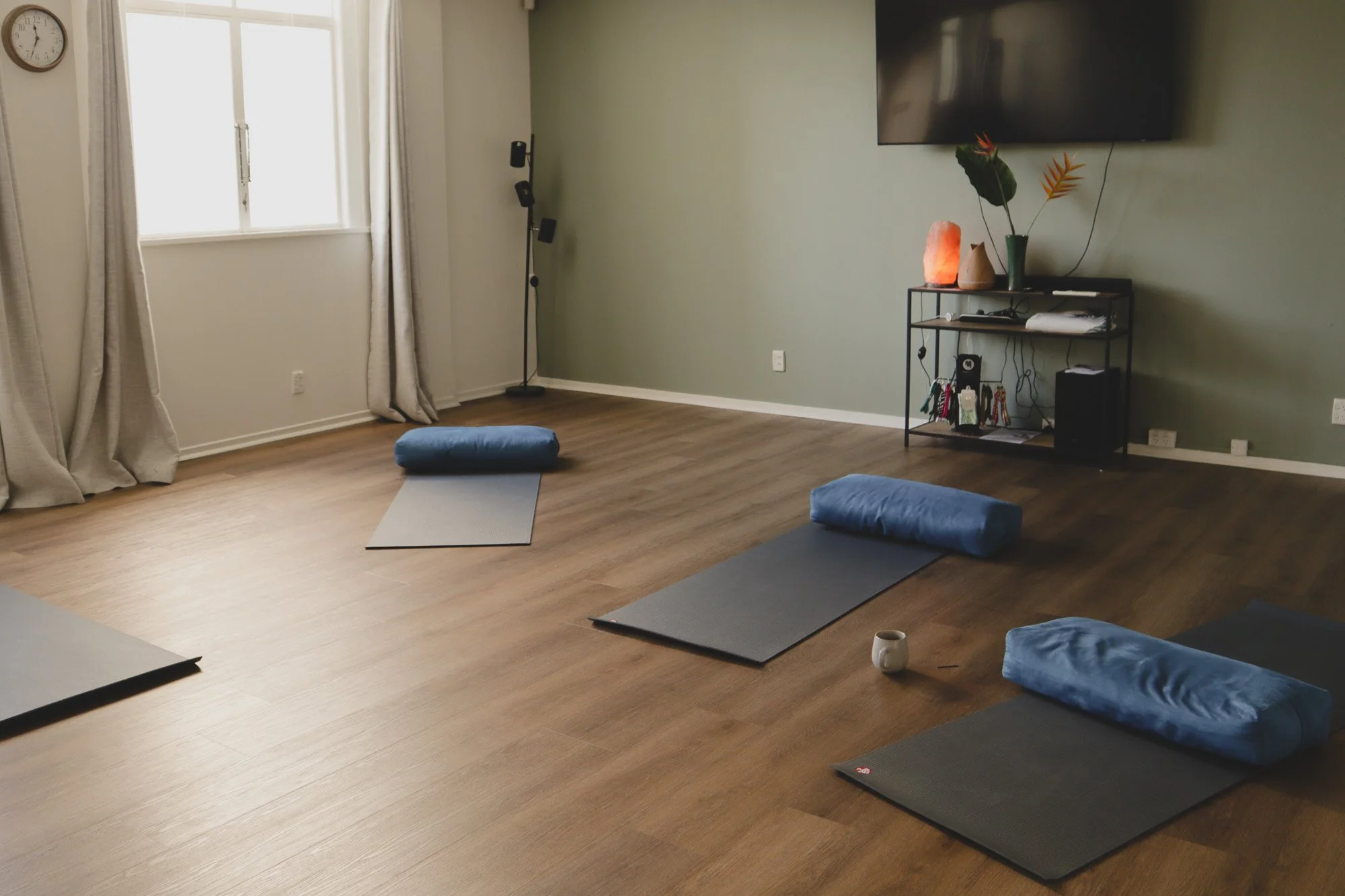
Embodied Healing
Reconnecting with your body after sexual trauma
The next group series begins 14 October 2026 in Nelson.
Embodied Healing is an eight-week Trauma Sensitive Yoga group program supporting connection with the body and a felt sense of self.
Living in survival mode can leave us feeling vigilant, overwhelmed, or disconnected from our bodies. Reconnecting in ways that are sensitive to the impacts of trauma can become an important part of healing.
This program can be especially supportive for those who wish to show up exactly as they are, without needing to explain or find words for their experience.
Because trauma and abuse can impact our sense of power and agency, choice and non-coercion are at the heart of TCTSY. Participants are always invited — never instructed — to explore movement and embodied awareness in ways that feel right for them.
The group offers a gentle experiential space where the power remains with the participant, not the facilitator.
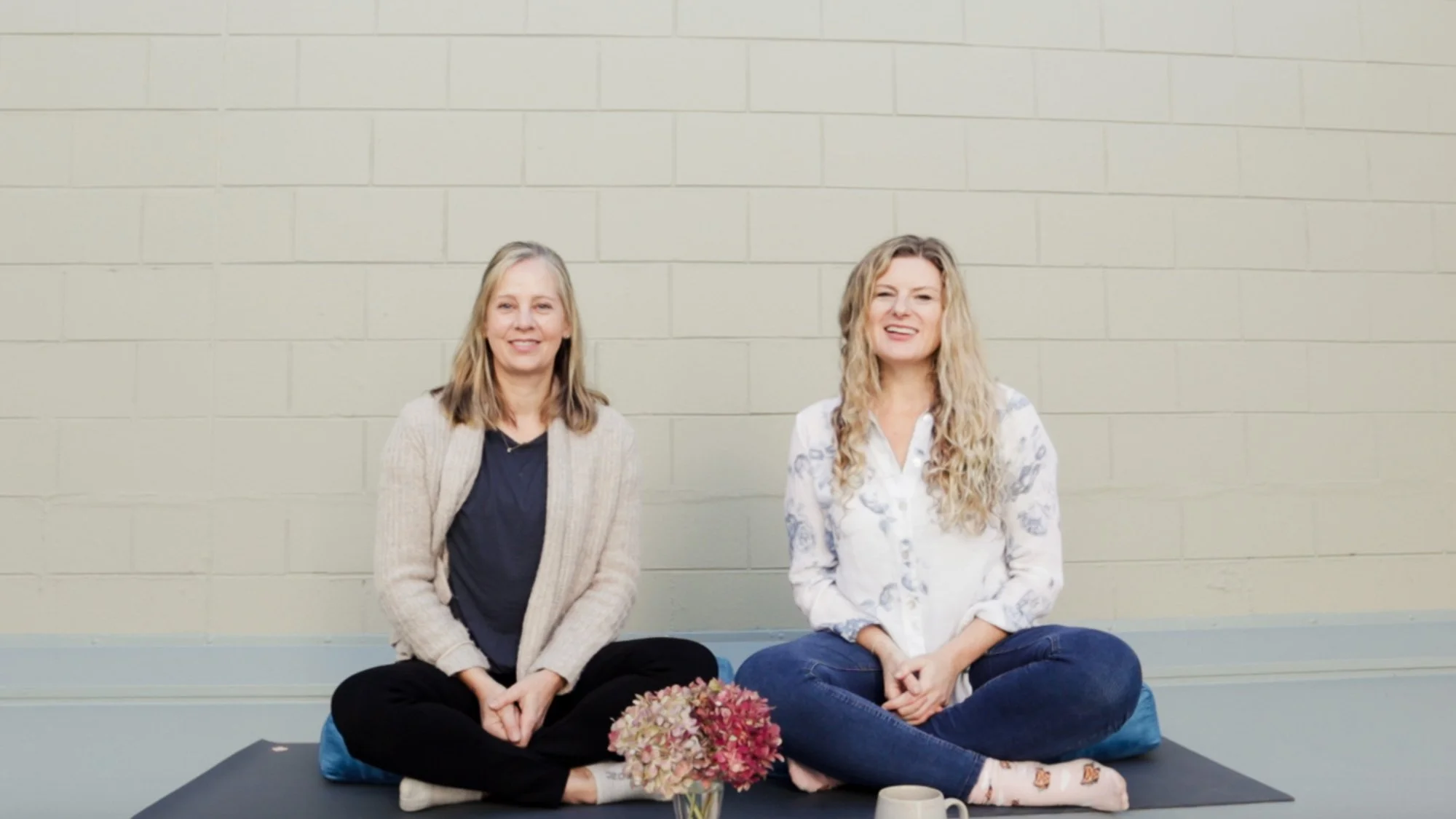
Co-facilitated by psychotherapist Jen Holmes Beamer and art therapist Aurélie Chambers.
Together we bring Trauma Center Trauma-Sensitive Yoga (TCTSY), art therapy, and relational practice into a supportive group environment where choice, agency, and embodied awareness are prioritised.
“I feel more awake and stopped numbing”
For Clinicians
Many people who have experienced trauma describe feeling disconnected from their bodies, emotions, needs, preferences, or sense of choice.
This short video introduces agency, interoception, and embodiment, and explores how body-based approaches can complement ongoing therapy.
Embodied Healing can be particularly supportive for those experiencing dissociation, trauma-related pain, emotional overwhelm, or feeling disconnected from their bodies, emotions, needs, or sense of self. The program is designed to complement ongoing therapy and provide opportunities to develop greater awareness of internal experience through a safe, choice-based approach.
Across 8 weeks, each session includes:
Trauma Centre Trauma-Sensitive Yoga (TCTSY): A choice-based movement practice supporting participants to reconnect with bodily sensations, develop interoceptive awareness, and build trust in their internal cues — without pressure, performance, or correction.
Art Therapy Integration: Guided art therapy and reflective practices linked to themes of safety, support, connection, rhythm, agency, and befriending the body.
Pre-group intake session
An opportunity to ask questions, explore suitability, and feel informed and prepared before the program begins.
Participants are welcomed into a respectful and inclusive therapeutic environment where pacing, choice, and internal experience are prioritised.
You’re welcome to contact me via jen.holmes-beamer@nelsonclinic.nz to learn more or register for an upcoming program.
Why is it useful to feel my body?
Trauma Center Trauma-Sensitive Yoga (TCTSY) was developed at the Trauma Center at JRI in Brookline, Massachusetts, as a clinical intervention specifically for survivors of complex trauma and chronic, treatment-resistant PTSD.
TCTSY draws on trauma theory, attachment theory, neuroscience, and hatha yoga, and is the first yoga-based intervention recognised as an evidence-based treatment for complex trauma.
Research by Bessel van der Kolk and colleagues (2014) found that this approach to yoga can significantly reduce PTSD symptoms over an 8-week period. Participants also showed improvements in emotional awareness, distress tolerance, and the ability to notice and stay with physical and sensory experience.
When we experience trauma, disconnecting from the body can be a powerful and intelligent survival response. In the short term, this can help us cope. Over time, however, disconnection from bodily experience may affect emotional regulation, physical wellbeing, relationships, and overall quality of life.
Body-based approaches like TCTSY offer opportunities to gently rebuild connection with internal experience in a way that prioritises safety, agency, and choice.
Within our Nelson-based groups, we observe encouraging shifts in interoceptive awareness, attention regulation, and embodied sense of safety. These changes often complement and support the work being done in individual therapy by strengthening trust in internal experience and increasing capacity to remain present with what is felt.
For more information and resources about TCTSY click here.
Participant Feedback
Details
When: Wednesdays, 9:15–10:45 am & 11:00 - 12:30 (15 minutes before and after for arrival & closing)
Duration: 8-week group (limited to 12 participants)
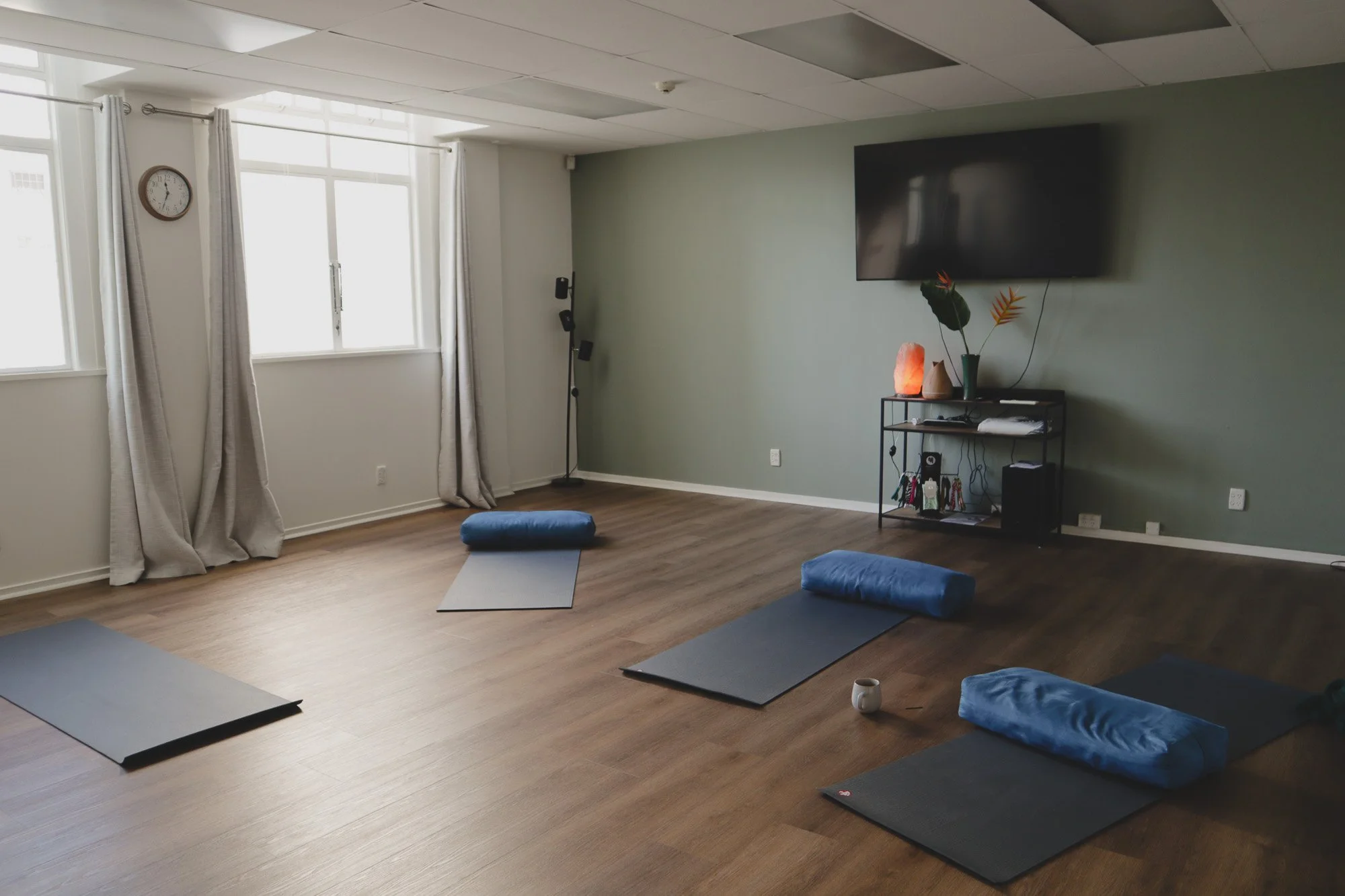
Where: Koru Studio, Trafalgar Street, Nelson
This is an in-person group program offering a range of participation options, including chair-based, floor-based, or a combination.
The group is suitable for people living with mild to moderate mental health challenges, including PTSD. Participants are typically engaged in ACC Sensitive Claims therapy and have an approved claim.
We are committed to creating inclusive, accessible, and trauma-informed spaces. Both women-only and mixed gender groups available.
Clinician Referrals (ACC providers):
Embodied Healing is an ACC-funded Trauma-Sensitive Yoga group designed to support recovery from complex trauma, PTSD, and dissociation through embodied, choice-based practice.
The program supports:
Reduced dissociation and increased interoceptive awareness
Nervous system regulation and present-moment orientation
Embodied resourcing
Development of agency, self-efficacy, and choice
Increased tolerance of internal experience
Relational safety and co-regulation
Supportive integration alongside individual therapy
ACC referral details
Provider: The Nelson Clinic (VAH127)
Clinicians: Jen Holmes Beamer (PAQ875) & Aurélie Chambers (PAN892)
Codes:
SCSGT – 16 hours
SCSGTT – 1 hour (pre-group intake)
Term blocks (2026):
14 October - 2 December 2026 (term 4)